Old pressure tank safety for NZ farms
Many farms and rural properties across New Zealand still rely on old steel water pressure tanks with no internal bladder. While these tanks may appear to work normally, they often corrode internally and can fail suddenly. Consequently, such failures put people, livestock, and property at serious risk. Understanding old pressure tank safety, recognizing warning signs, and switching to safer alternatives is essential for protecting your farm and rural water system.
What is a non-bladder water pressure tank?
Older steel tanks store water and compressed air in the same chamber. The air provides pressure to move water through the system. Over time, constant water contact corrodes the steel, thinning and weakening the tank walls.
Since this corrosion occurs inside the tank, you often cannot see it from the outside. Even if a tank seems to work normally, it may already be at risk of sudden failure. Farmers commonly installed non-bladder tanks decades ago, and many remain in pump sheds, dairy sheds, and rural homes today.
How internal corrosion develops
Corrosion forms because the steel is constantly exposed to water. In addition, fluctuations in temperature and pressure accelerate metal weakening. Therefore, tanks that appear fine externally may be dangerously compromised internally.
Real-life example: sudden tank failure
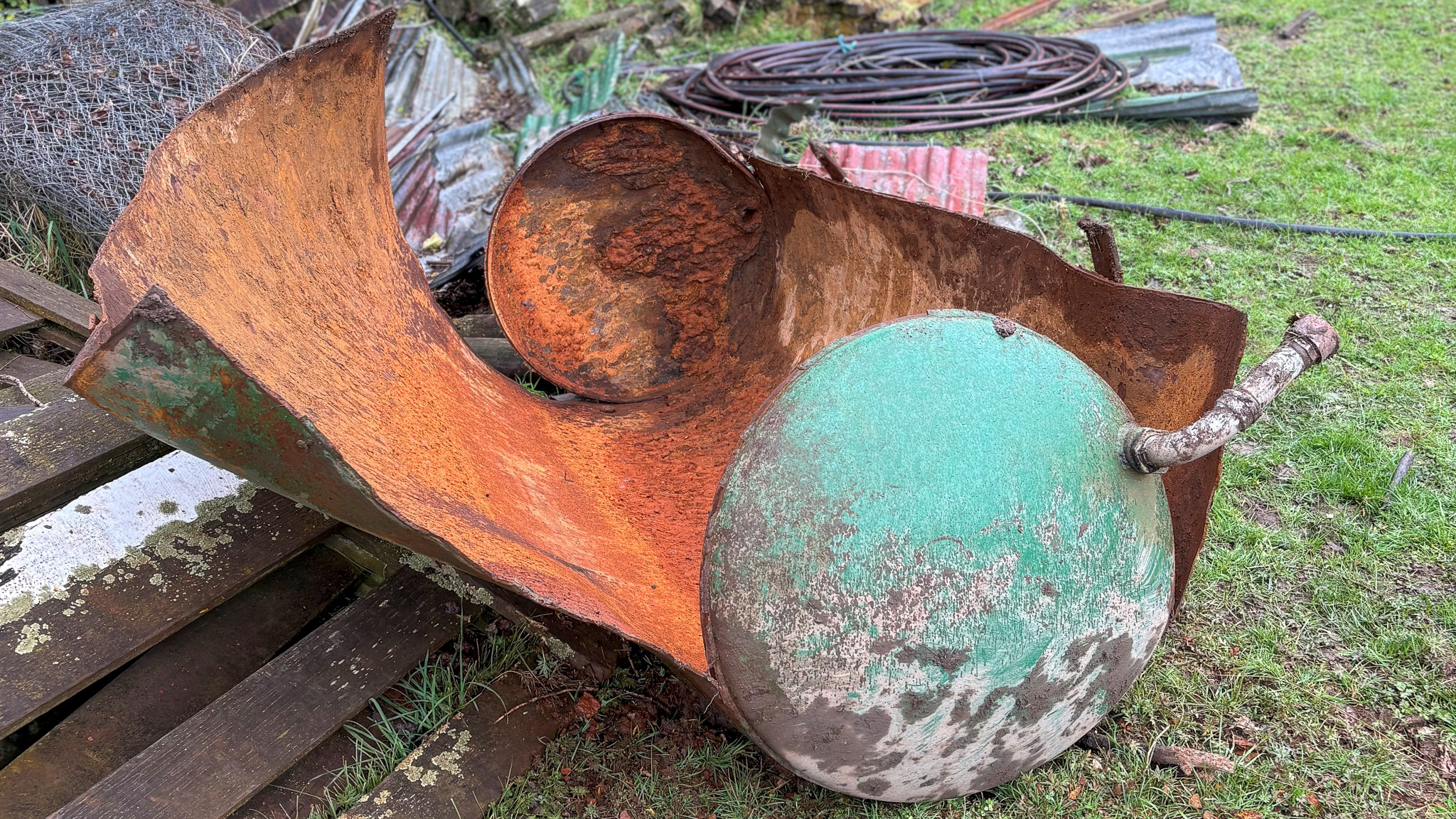
A recent incident involved an old steel pressure tank exploding without warning. The explosion tore off a pump shed roof, damaged walls and equipment, cut power lines, and hurled the tank several metres. Fortunately, no one was injured.
This incident demonstrates how dangerous older water pressure tanks can be. In particular, on farms where tanks are located near livestock or machinery, sudden failure can result in serious injuries and property damage. Maintaining farm water pressure tank safety is therefore critical.
Why modern bladder-type tanks are safer
Modern bladder-type tanks separate water from the compressed air using an internal bladder or diaphragm. This design prevents water from contacting the steel, reducing corrosion and extending tank life.
Benefits of bladder-type tanks
- Reduces the risk of internal rust and corrosion
- Maintains consistent water pressure for pumps
- Lasts longer than old steel tanks
- Complies with modern NZ safety standards
Replacing an old non-bladder tank with a bladder-type tank is safer, more reliable, and more cost-effective than risking sudden failure.
Regular inspections improve farm safety
On New Zealand farms, tanks are often installed in pump sheds, dairy sheds, or near living areas. Therefore, safety must be a priority. Even if a tank looks fine externally, internal corrosion can make it unsafe.
Farmers should inspect tanks regularly. Watch for rust, leaks, unusual noises, or pressure issues. In addition, for tanks older than 15 years, consider hiring a professional to assess their condition. WorkSafe NZ recommends proactive management of pressurised equipment to prevent accidents and costly damage.
When to replace a water pressure tank
You should replace a tank if:
- It is 15 years old or older
- It has no internal bladder
- The tank’s age or type is unknown
- It is located in a pump shed, dairy shed, or near living areas
A professional inspection can determine whether a tank remains safe or requires immediate replacement. As a result, you can prevent sudden failures and serious incidents.
Safer solutions for your farm
The safest option is a modern bladder-type water pressure tank, available in sizes from 80 L to 450 L for farms and rural properties. Even if a tank shows no external damage, hidden corrosion can make it unsafe. Therefore, early replacement prevents sudden failure and serious accidents.
Protect your farm and water system
Old water pressure tanks are a hidden hazard on many New Zealand farms and lifestyle blocks. Timely inspection and replacement protect people, livestock, and property, while ensuring old pressure tank safety.
If you are unsure about your tank’s condition, have it professionally checked or replaced before a failure occurs. In addition, educating your team about the risks of old steel tanks improves overall farm safety.